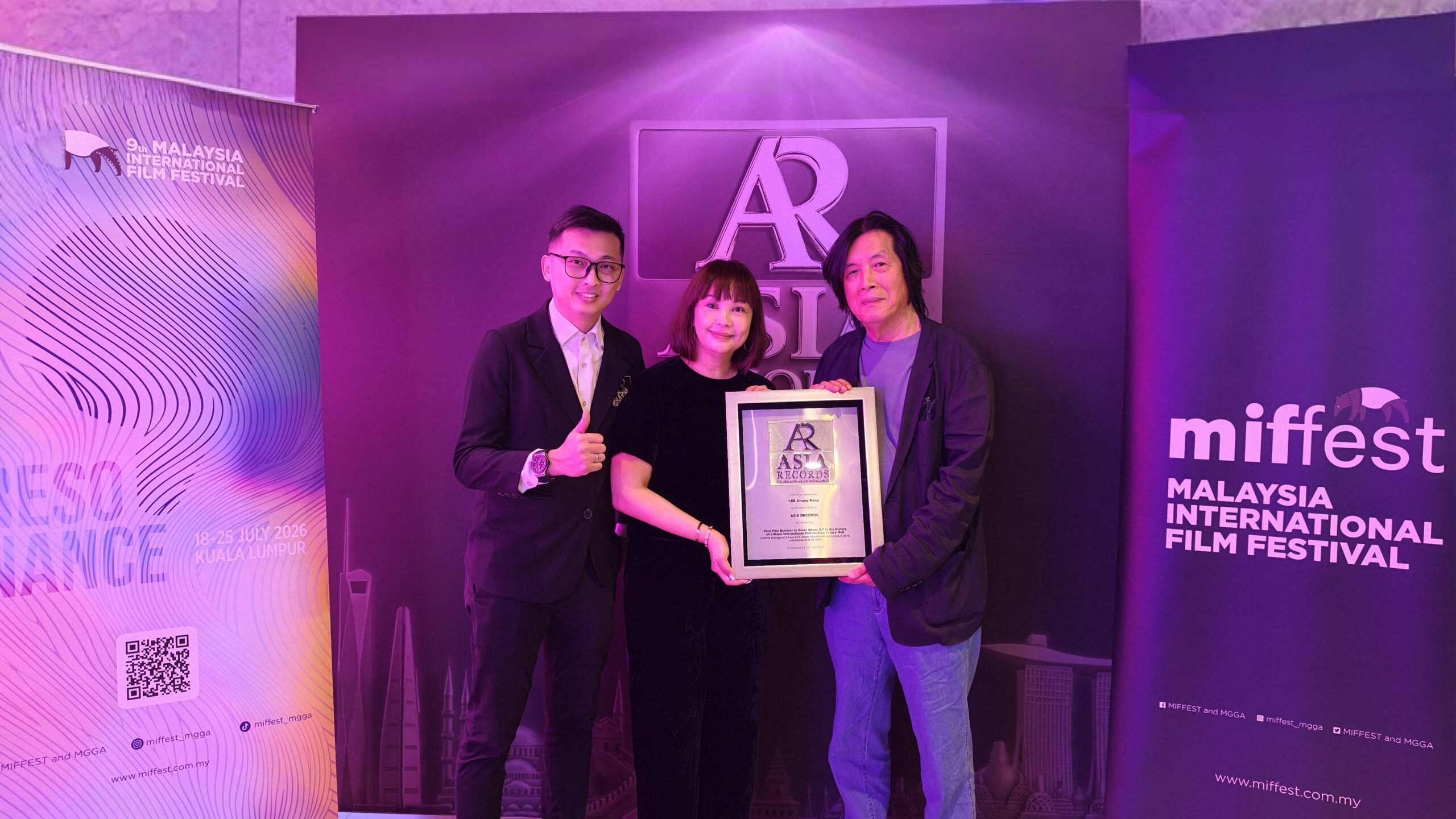
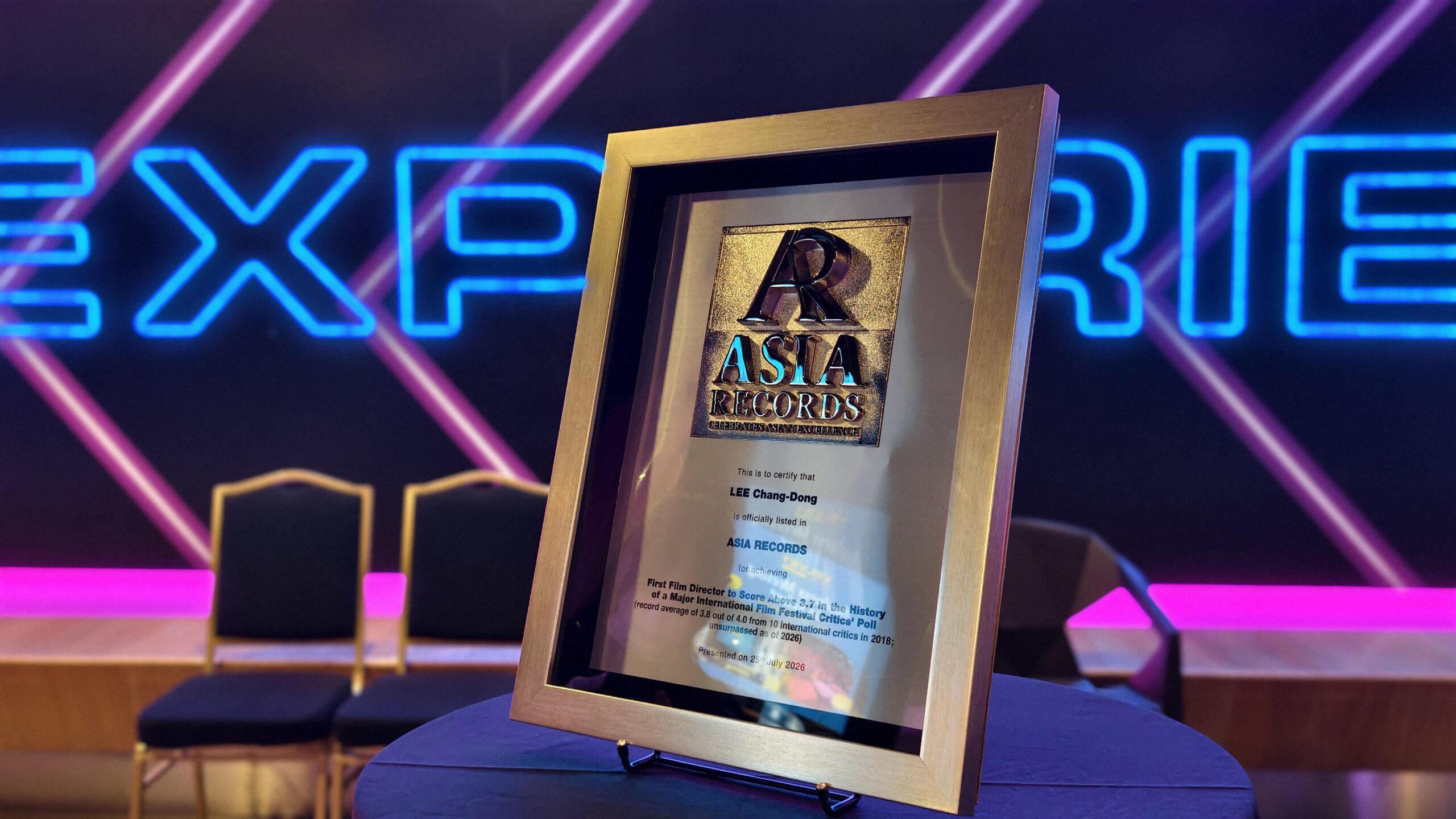
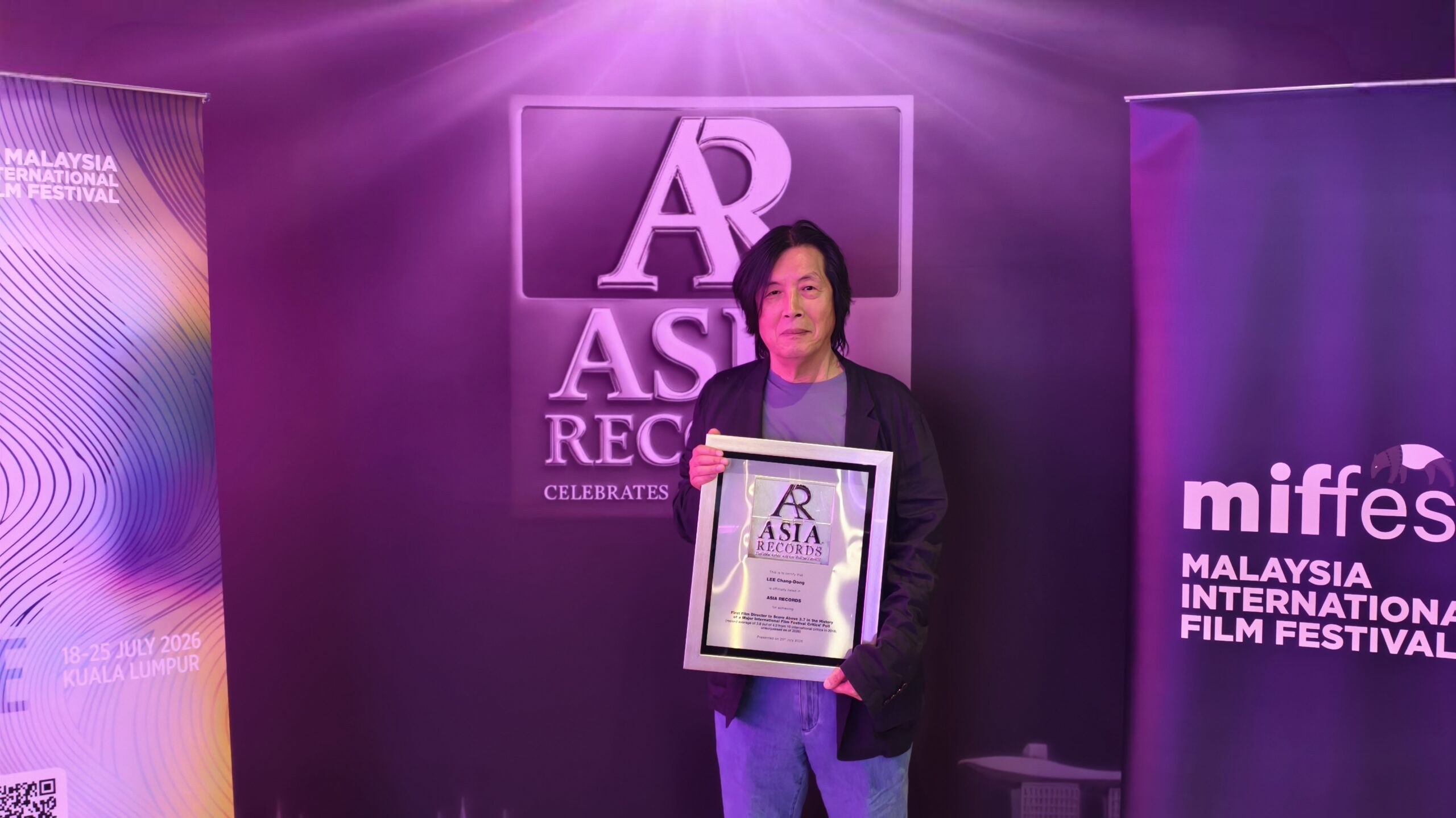
ASIA Records is proud to officially recognise renowned South Korean film director and screenwriter Lee Chang-dong for achieving the record title:
First Film Director to Score Above 3.7 in the History of a Major International Film Festival Critics’ Poll (record average of 3.8 out of 4.0 from 10 international critics in 2018; unsurpassed as of 2026)
The recognition celebrates the exceptional critical response to his 2018 psychological mystery drama, Burning, which achieved an average score of 3.8 out of 4.0 from 10 international critics during a major international film festival critics’ poll.
The result established a new benchmark in the history of the poll, making Lee Chang-dong the first film director to surpass a score of 3.7. The record remained unsurpassed as of 2026, reflecting the film’s enduring critical reputation and Lee’s significant influence on contemporary Asian and international cinema.
A Filmmaker Known for Human-Centred Storytelling
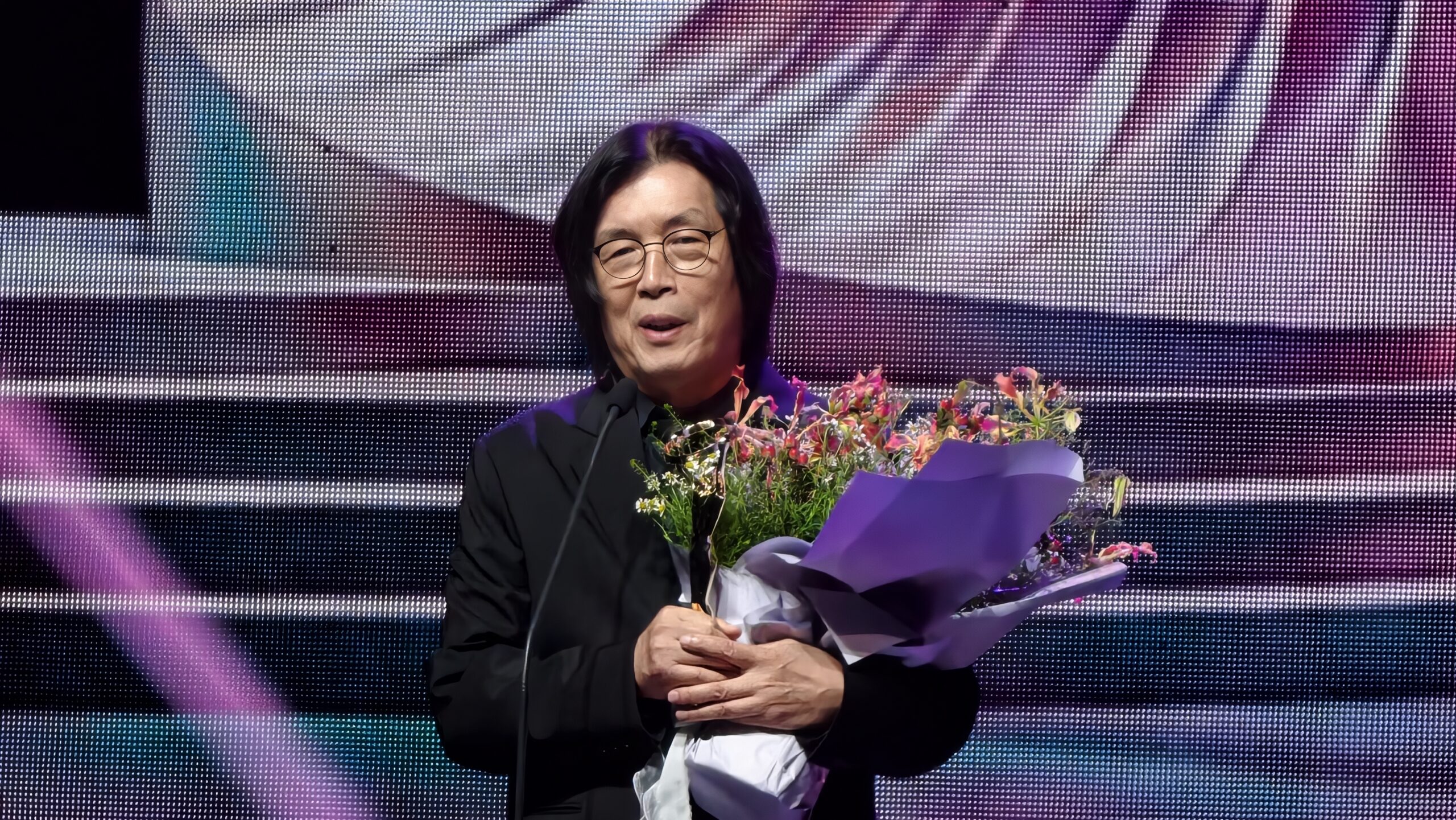
Born in South Korea, Lee Chang-dong is widely recognised for films that examine identity, memory, trauma, morality, social inequality, and the emotional struggles of ordinary people.
His acclaimed body of work includes Peppermint Candy, Oasis, Secret Sunshine, Poetry and Burning. Across these films, Lee has developed a distinctive cinematic language grounded in emotional restraint, moral complexity, realism, and close observation of human behaviour.
His work frequently places individuals within difficult social circumstances, allowing audiences to confront questions without presenting simple answers. This approach has established him as one of Asia’s most respected filmmakers and an influential voice in international cinema.
The filmmaker began his cinema career at the age of 40, after first establishing himself as a novelist and screenwriter. He later served as South Korea’s Minister of Culture, an experience he candidly described during the Kuala Lumpur session as a difficult responsibility that he would not wish to repeat.
The Critical Impact of Burning
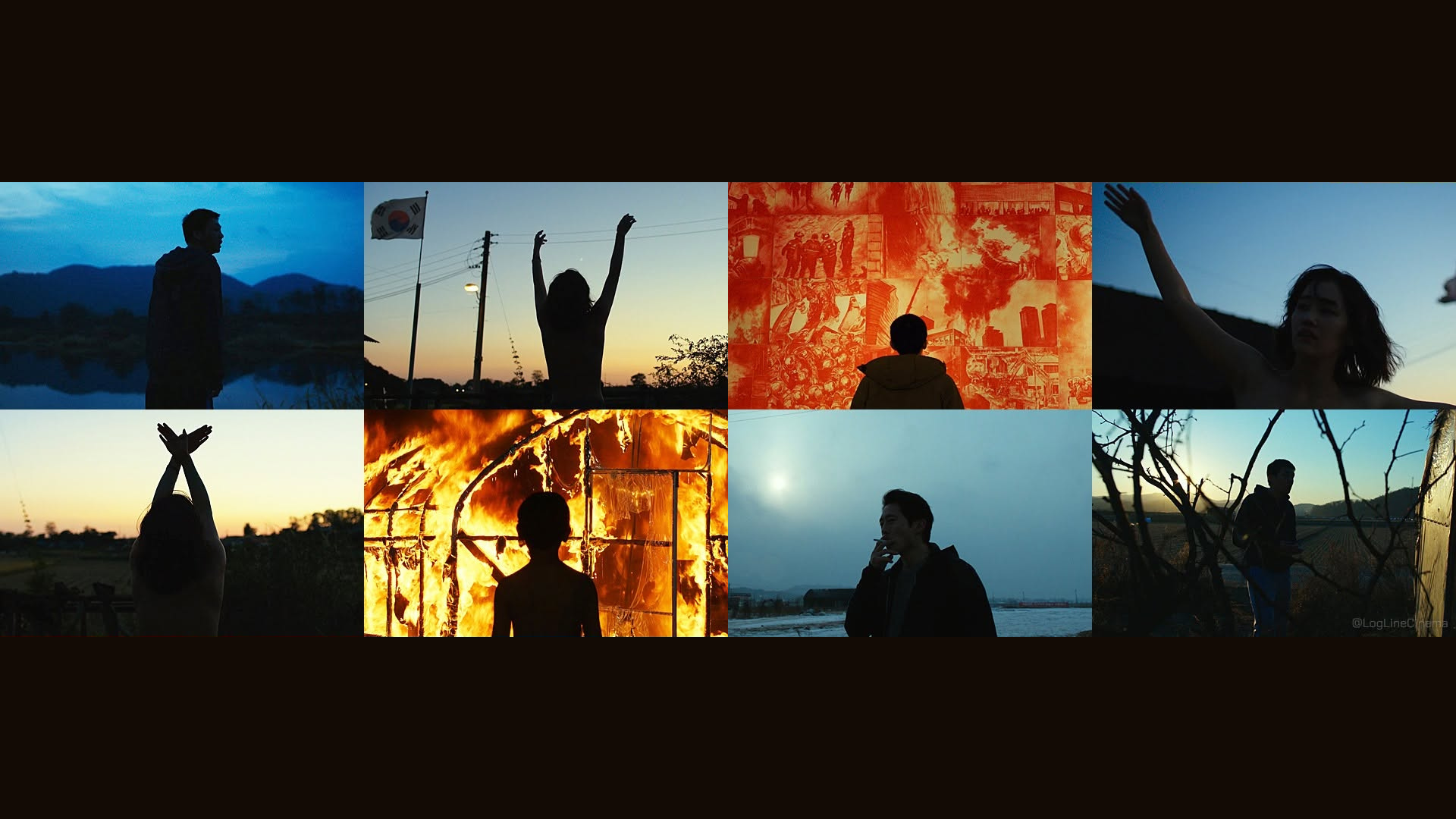
Released in 2018, Burning is adapted from Haruki Murakami’s short story “Barn Burning” and follows a young man whose life becomes increasingly unsettled after the disappearance of a woman he knows and the arrival of a mysterious, affluent stranger.
Rather than relying on conventional explanations, the film explores uncertainty, class division, isolation, jealousy, frustration, and hidden violence. Its ambiguity invites viewers to examine the characters’ motivations while questioning the reliability of what they see.
The film’s record average of 3.8 out of 4.0 from 10 international critics represented an extraordinary level of agreement among reviewers. It positioned Burning as a defining work of contemporary cinema and established an unprecedented critics’ poll result that remained unmatched as of 2026.
The achievement demonstrates the ability of an Asian film to connect with international critics through storytelling rooted in specific social realities while addressing universal emotional and moral questions.
Protecting Spontaneity in Performance
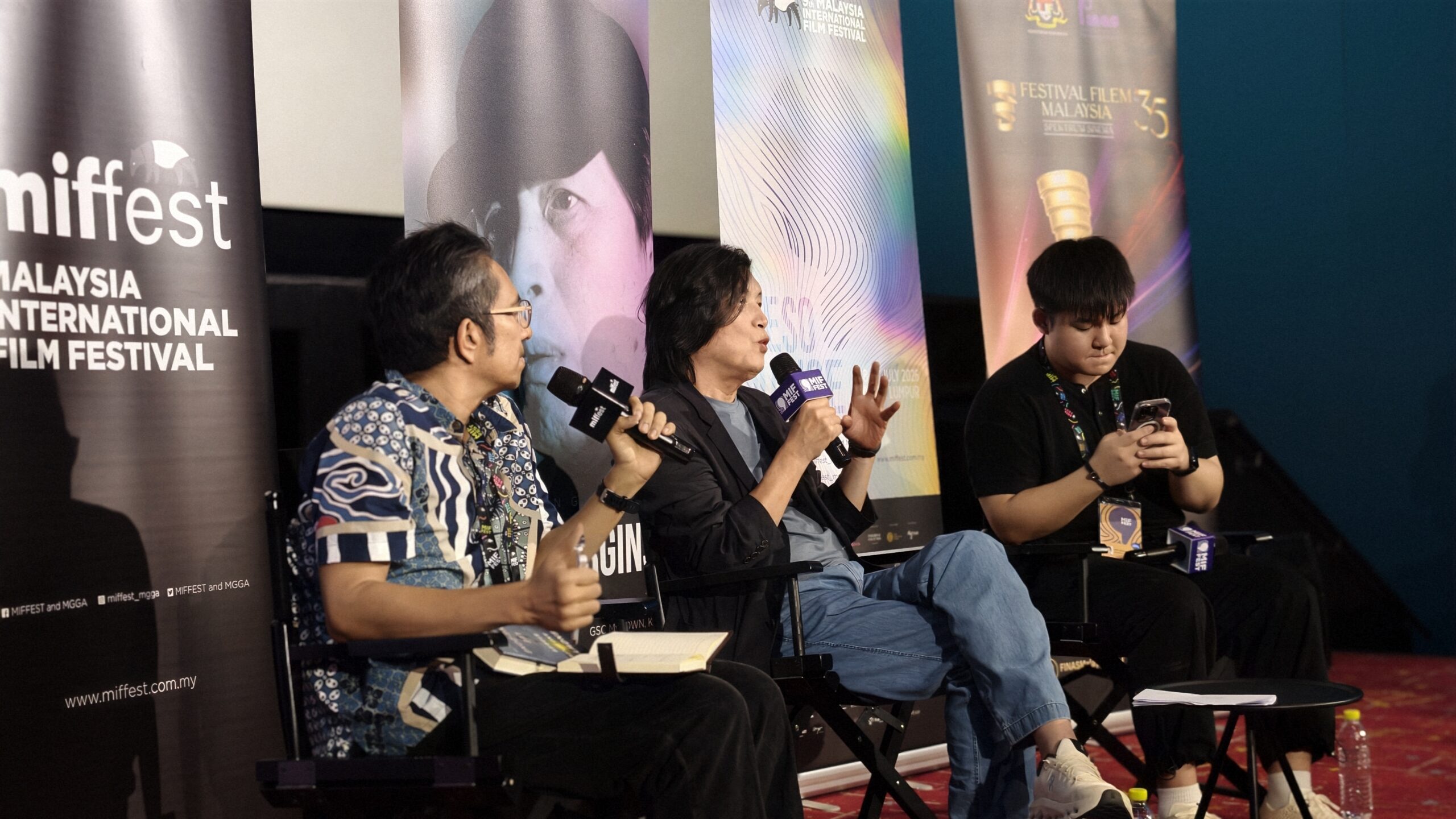
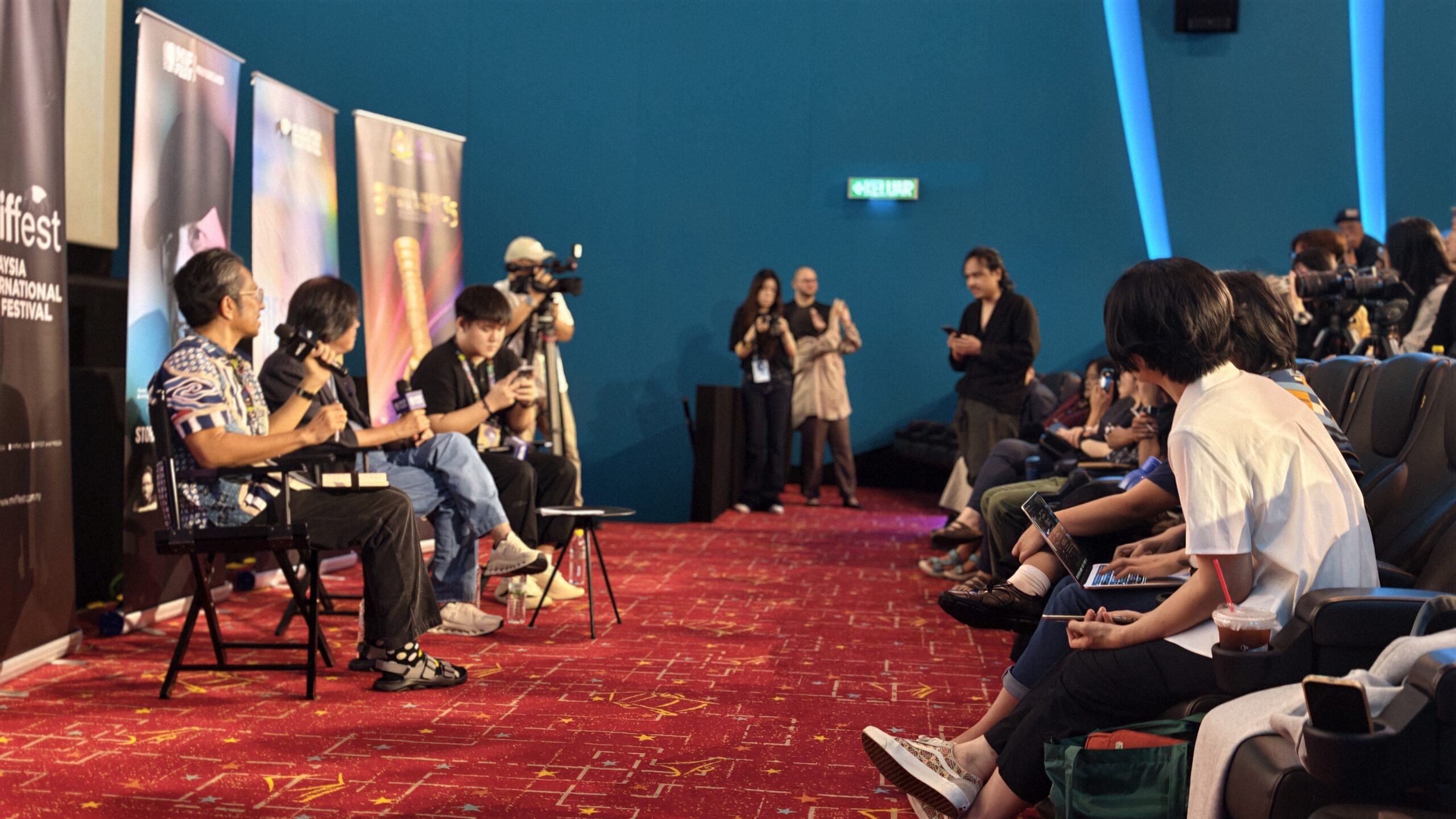
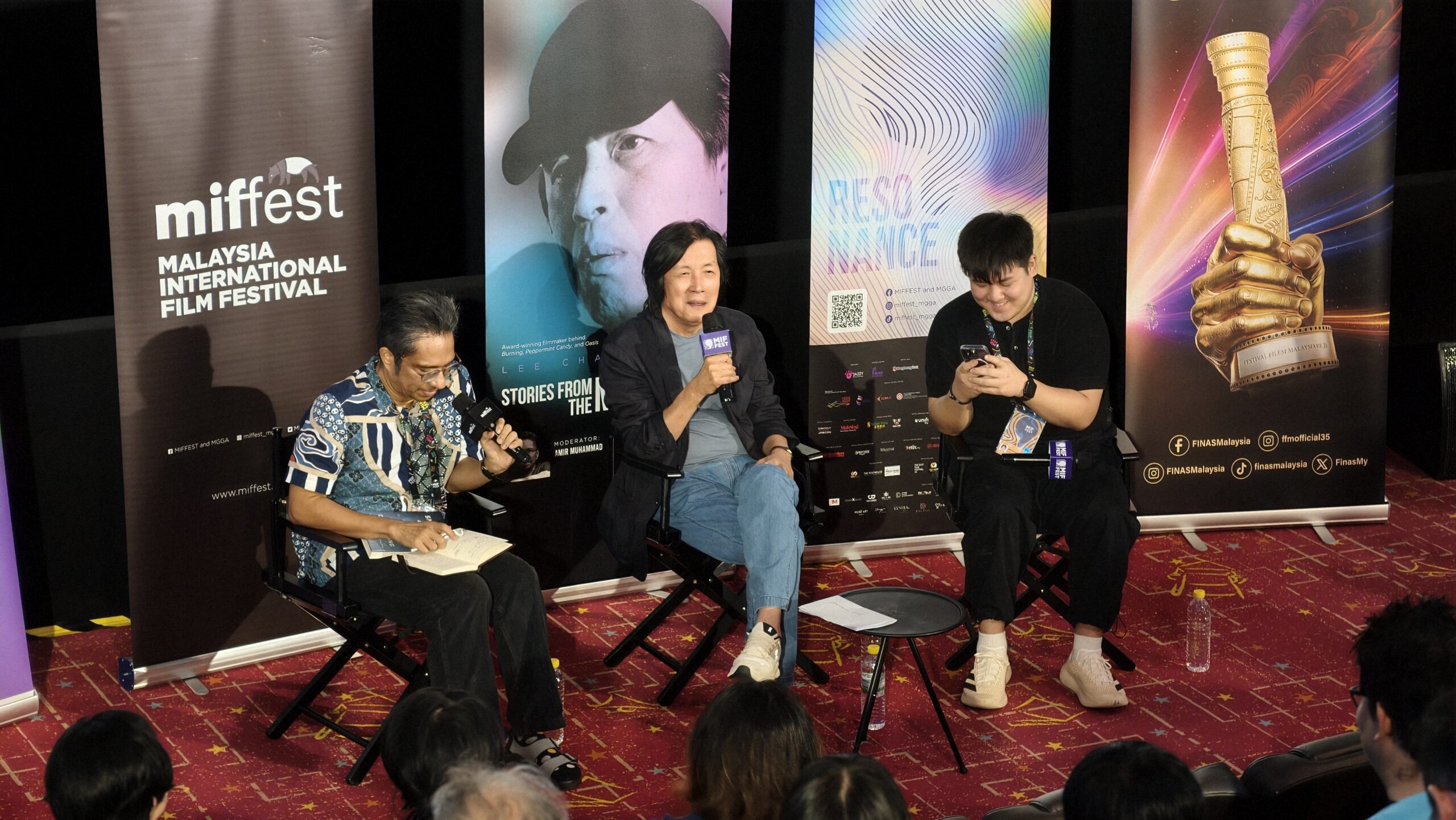
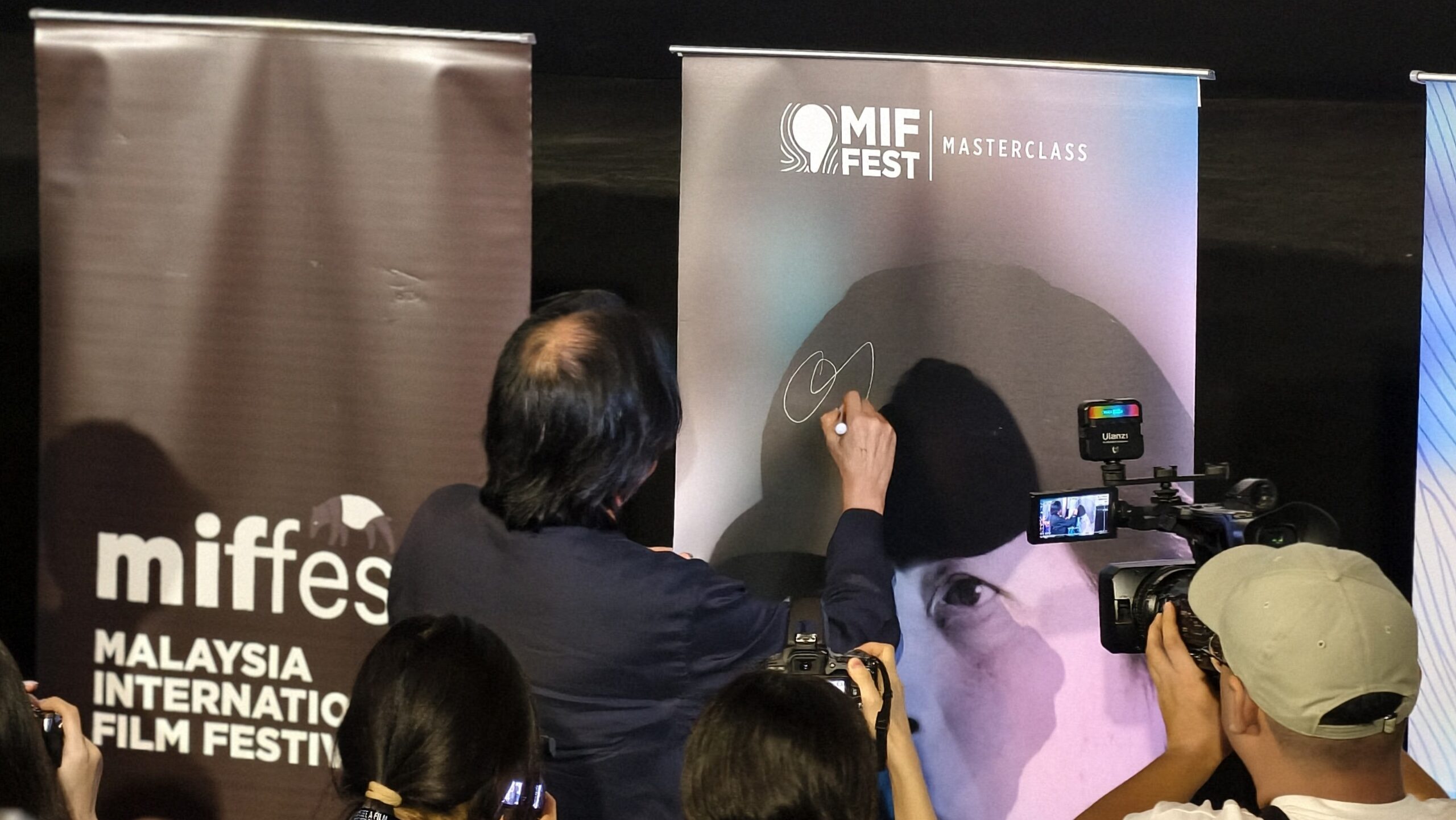
During his highly anticipated masterclass at Golden Screen Cinemas (GSC) MyTOWN Kuala Lumpur, Lee Chang-dong offered audiences insight into the directing methods behind his carefully observed performances.
He explained that he generally avoids conducting full rehearsals before filming, as excessive preparation may reduce the natural spontaneity of an actor’s performance. Instead, he creates space for performers to respond organically to the characters, situations, and emotional conditions of each scene.
Lee also shared that he rarely rewrites dialogue on set. His preparation takes place primarily during the development and writing stages, allowing the production to retain the structure and intention established in the screenplay while still giving actors room to discover genuine emotional responses.
This balance between detailed preparation and openness during filming has become an important part of his directing philosophy.
A Commitment to Cinematic Realism
A central principle of Lee’s filmmaking is his strong commitment to realism, particularly through the use of natural light.
During the session, he explained that cinema should confront reality as closely as it is perceived by the human eye rather than functioning only as a polished digital escape. His visual approach therefore avoids unnecessary artificiality and seeks to preserve the atmosphere, imperfections, and emotional texture of real environments.
This method supports the intimate quality of his films. Instead of directing attention through excessive visual manipulation, Lee allows faces, spaces, silence, and natural changes in light to carry emotional meaning.
His dedication to cinematic realism is especially evident in Burning, where landscape, changing daylight, urban spaces, and quiet domestic settings contribute directly to the film’s atmosphere of uncertainty and emotional tension.
Characters Inspired by Real People
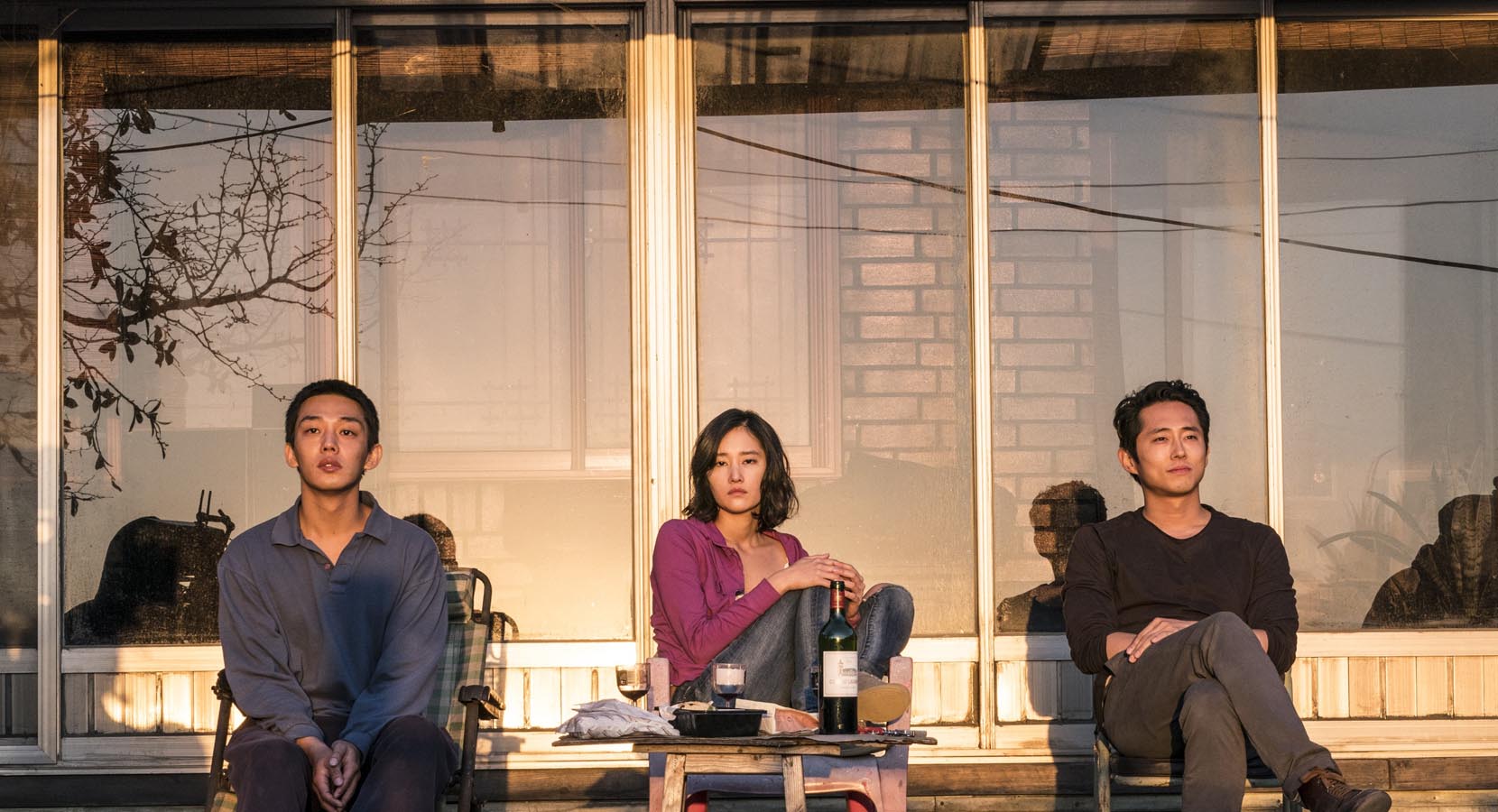
Lee revealed that the complex and morally ambiguous characters in his films are often inspired by people he has encountered throughout his life.
Rather than categorising individuals as entirely good or bad, he portrays them as shaped by personal history, social pressures, unspoken desires, and contradictions. This approach allows his characters to feel recognisable even when their actions remain difficult to understand.
By drawing from real human behaviour, Lee creates characters who resist easy judgement. Their emotional complexity encourages audiences to observe, question, and reflect rather than simply accept a predetermined moral conclusion.
This human-centred approach has remained consistent throughout his career and forms an important part of the lasting international appeal of his work.
Creative Influences and Personal Reflections
During the masterclass, Lee identified Taiwanese filmmaker Hou Hsiao-hsien and the film The Boys from Fengkuei as major influences on his development as a filmmaker.
Hou’s approach to observation, environment, time, and human behaviour helped shape Lee’s understanding of how cinema could portray everyday reality with emotional and artistic depth.
The session also included lighter personal moments, including Lee’s revelation that he is fond of South Korean music icon G-Dragon. The disclosure offered audiences a more informal glimpse of the filmmaker beyond his serious cinematic reputation.
Through these reflections, Lee presented filmmaking not as a fixed achievement but as an ongoing process of observation, preparation, questioning, and learning.
Cinema in a Changing Viewing Environment
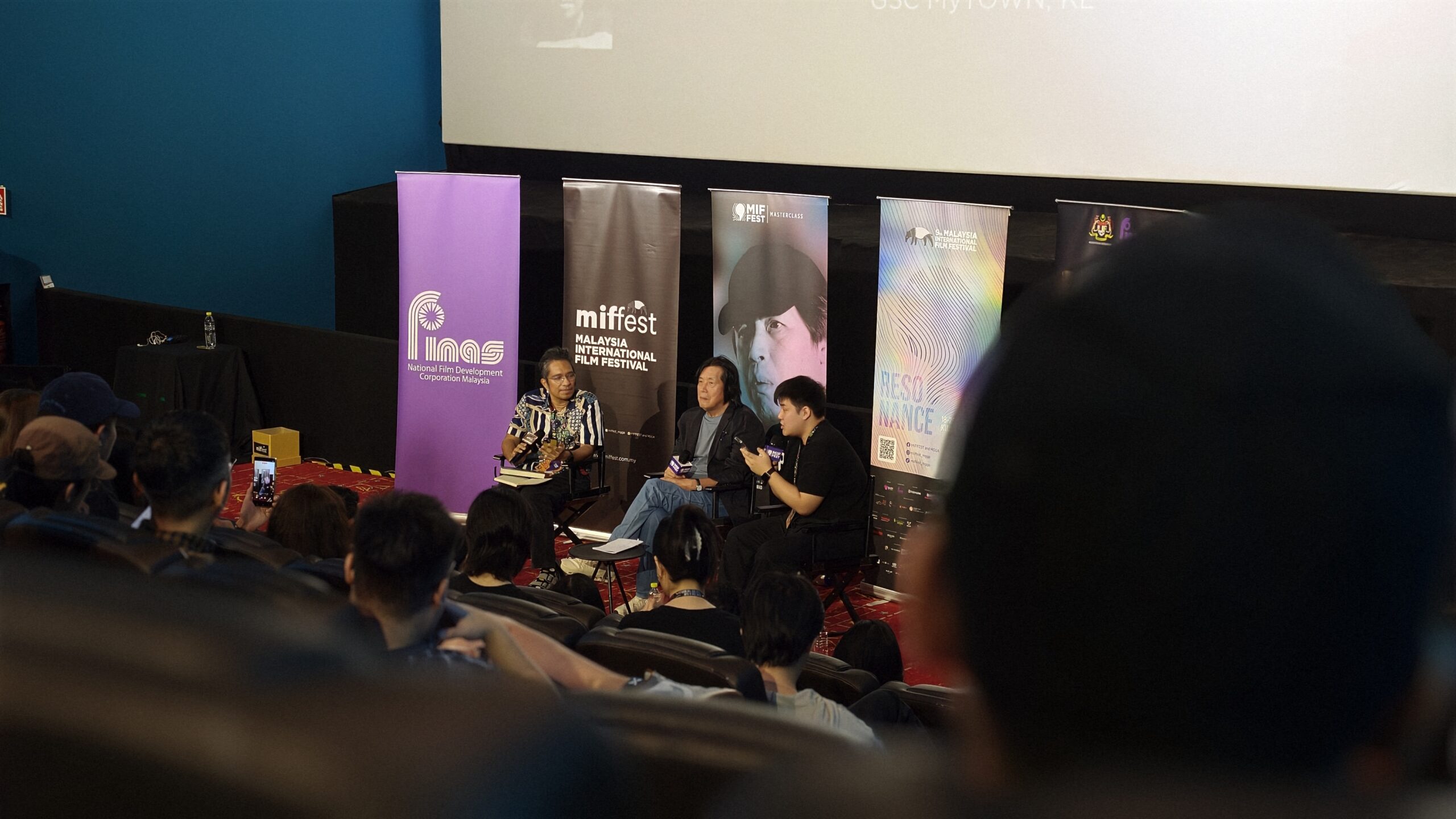
Lee’s visit to Malaysia also provided an opportunity for him to reflect on the future of cinema as streaming platforms and changing audience habits continue to influence how films are viewed.
He noted that cinemas remain especially important for works that depend on visual scale, emotional immersion, subtle performance, and details that may be overlooked on smaller screens. At the same time, he acknowledged that some plot-driven films may retain much of their impact outside traditional theatres.
Lee believes that human-centred storytelling remains necessary despite changing audience preferences. He continues to see value in films that create an intimate meeting point between characters and viewers, even as entertainment formats evolve.
Recognition During the 9th Malaysia International Film Festival
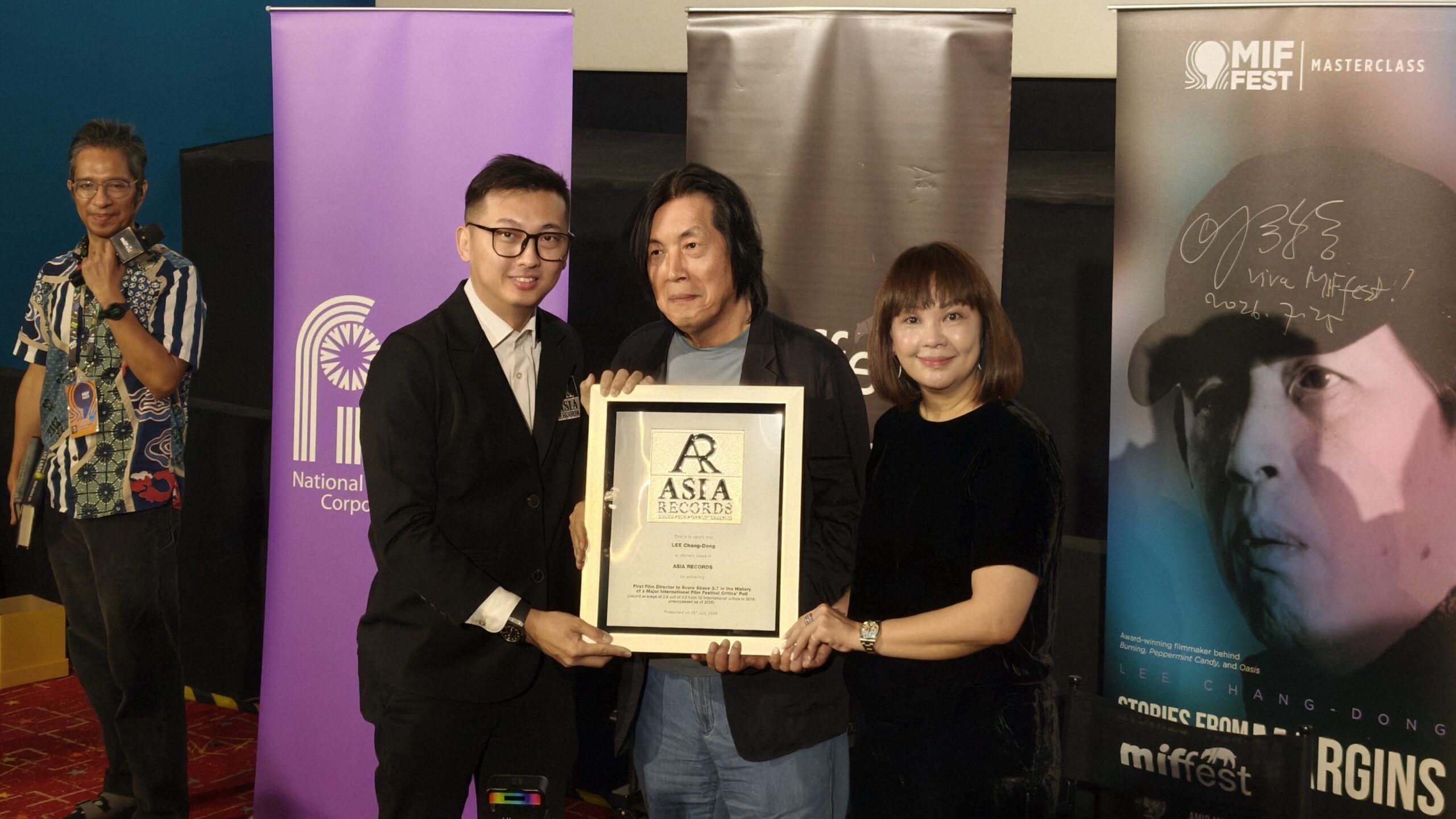
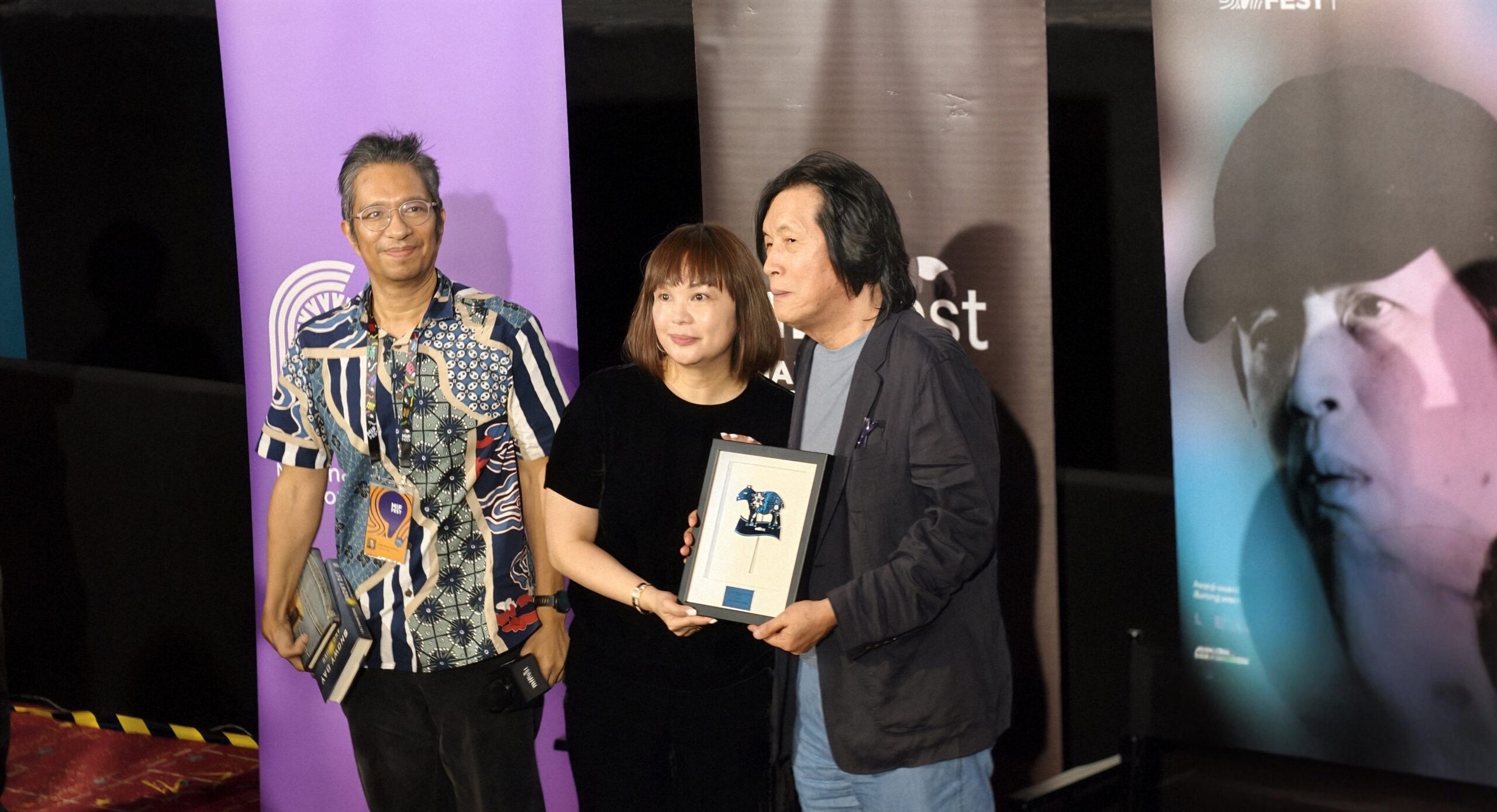
The ASIA Records certificate was officially presented to Lee Chang-dong on 25 July 2026 at Golden Screen Cinemas, MyTOWN Kuala Lumpur.
The presentation took place during the 9th Malaysia International Film Festival (MIFFest), where the South Korean filmmaker conducted a masterclass exploring his creative process, directing philosophy, visual approach, character development, artistic influences, and experiences across literature, filmmaking, and public service.
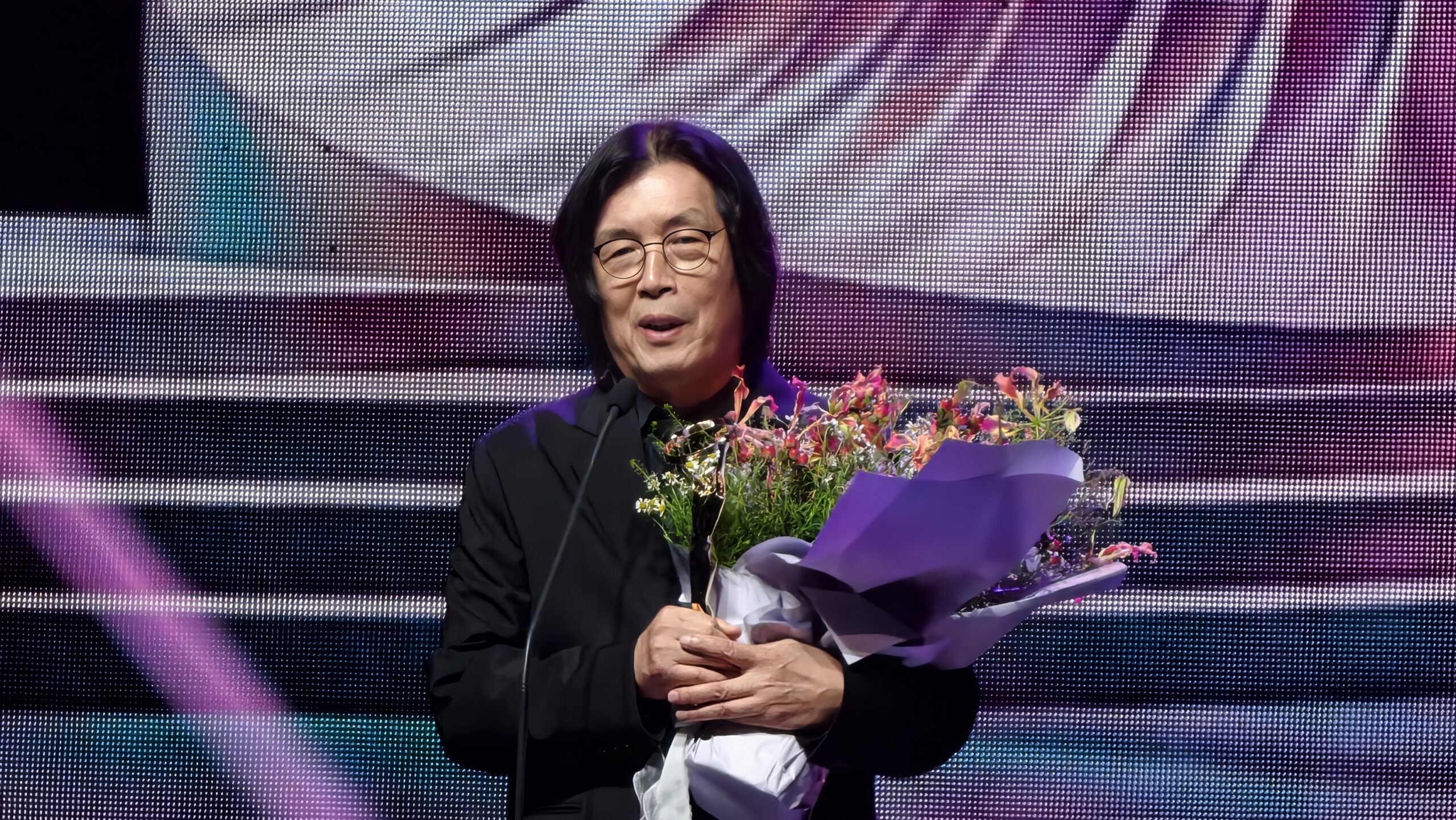
The recognition commemorated the historic critical performance of Burning and its record average of 3.8 out of 4.0 from 10 international critics in 2018, a result that remained unsurpassed as of 2026.
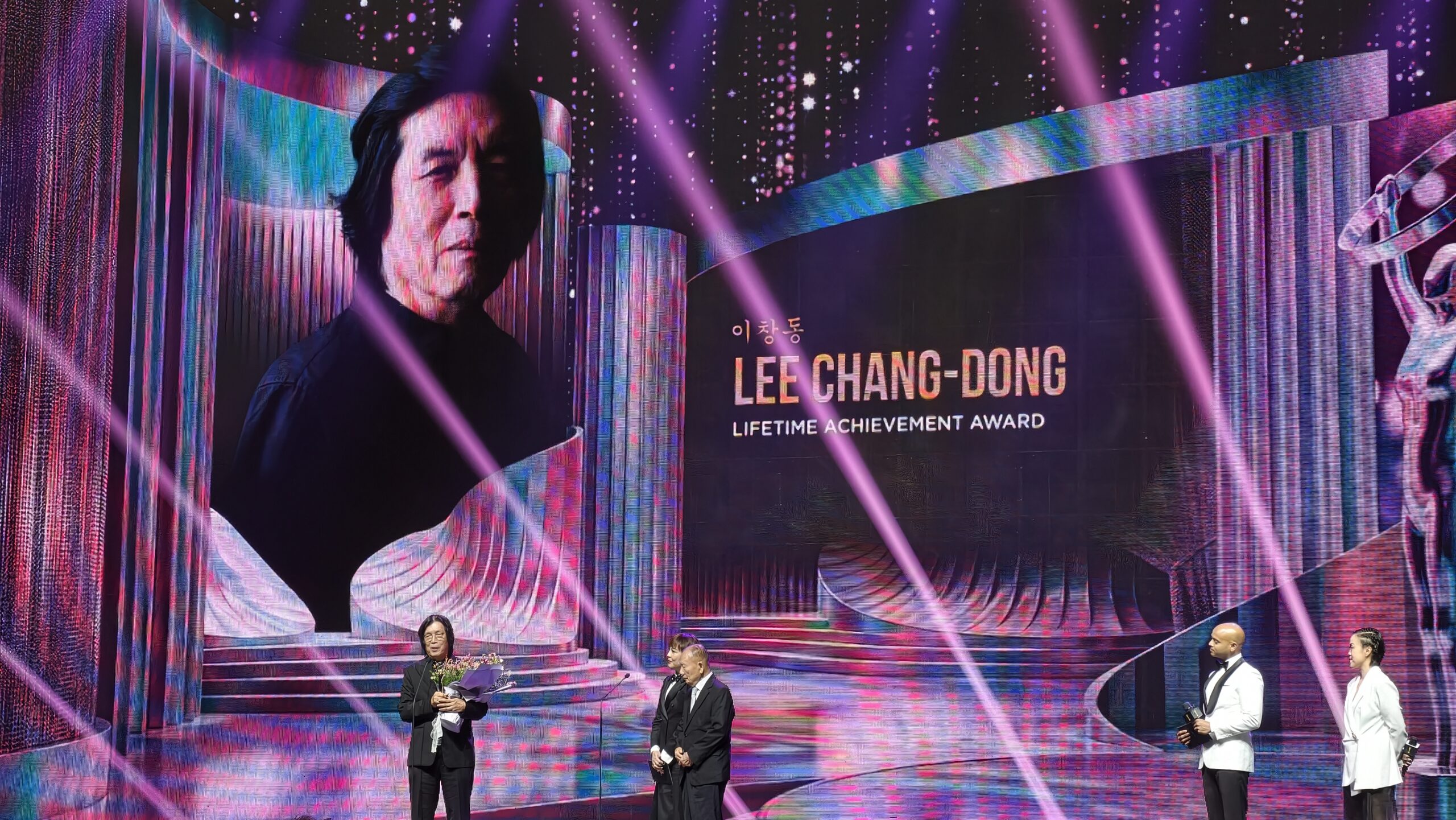
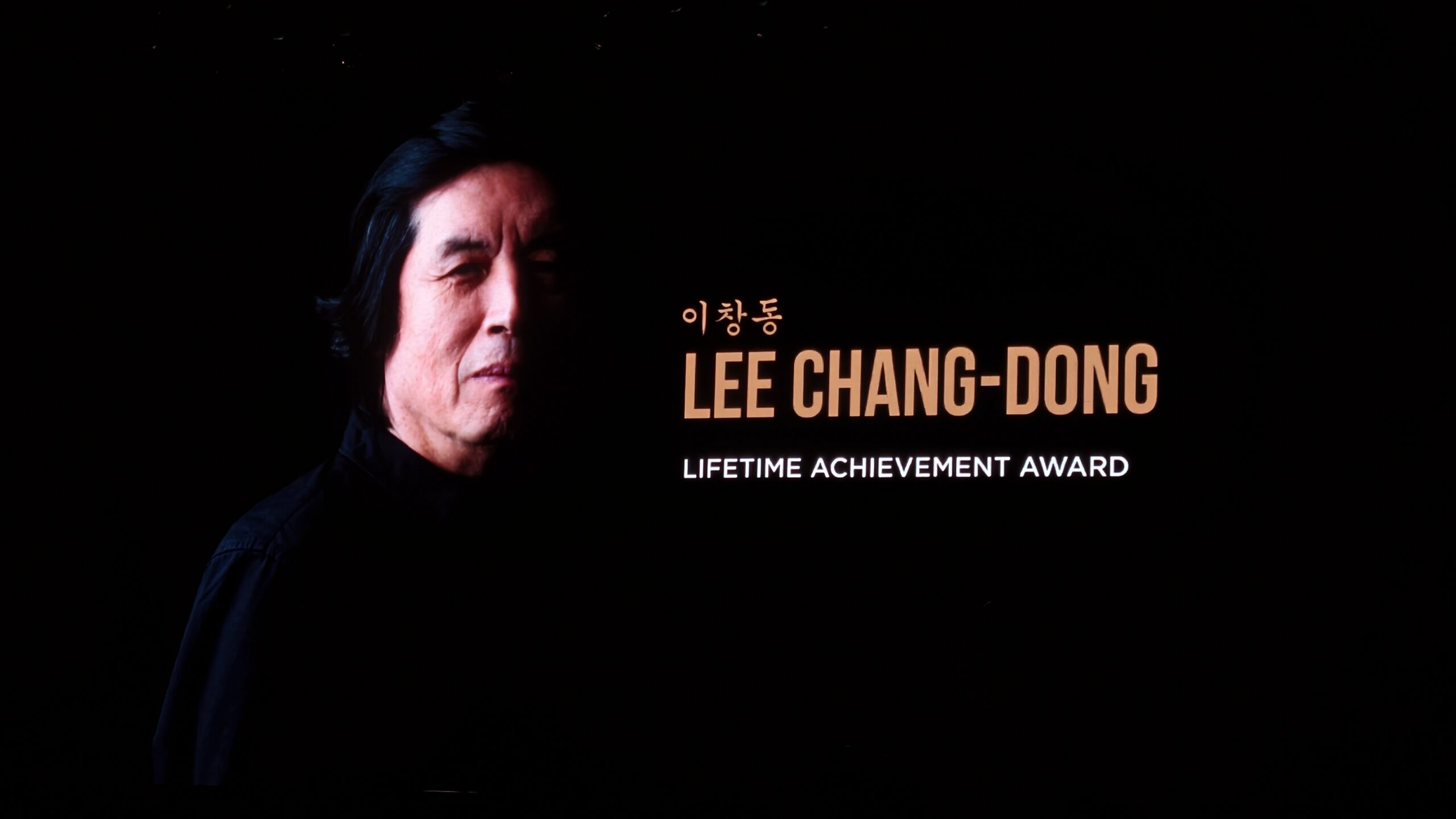
During the same festival period, Lee was also honoured with the Lifetime Achievement Award at the Malaysia Golden Global Awards (MGGA) for his enduring contribution to world cinema.
Voices of Leadership
Reflecting on his continuing relationship with filmmaking, Lee Chang-dong shared:
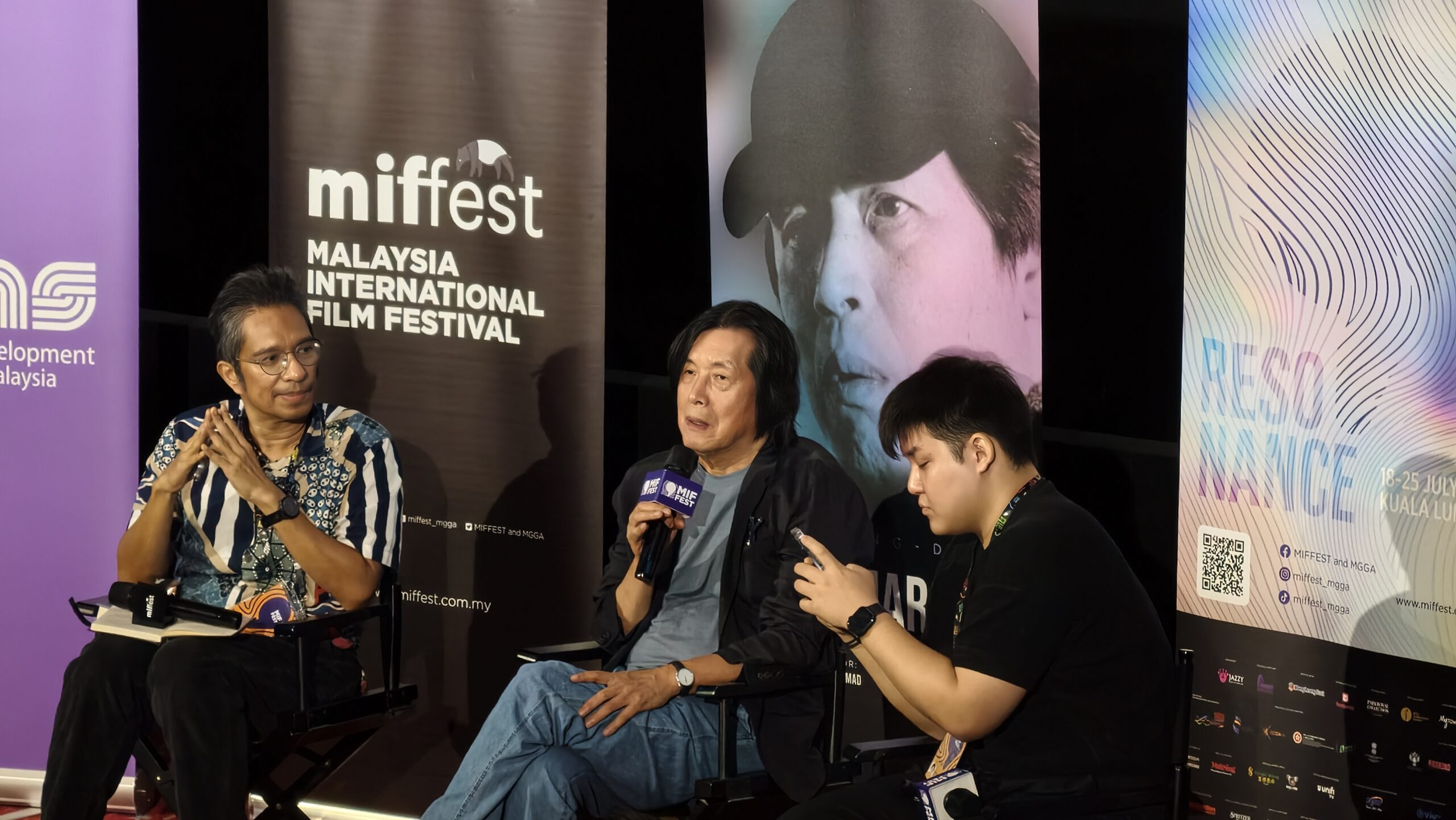
“Even if I am not making a movie, I am not resting.”
He explained that periods between productions remain part of the filmmaking process, as he continues to develop screenplays, consider new stories, and reflect on the direction of his future work. Lee also expressed his intention to continue making films while deepening his understanding of cinema and the possibilities of the medium.
A Landmark for Asian Cinema
The recognition of Lee Chang-dong represents more than an exceptional critics’ poll score. It reflects the growing international influence of Asian filmmakers whose work challenges audiences through distinctive cultural perspectives, artistic discipline, and universal human themes.
By achieving the first score above 3.7 in the history of the major international film festival critics’ poll, Lee established a benchmark that demonstrated the critical strength and global relevance of Asian cinema.
The continued standing of the 3.8 out of 4.0 result as of 2026 further underlines the lasting significance of Burning and its place within international film culture.
Through films that remain deeply personal while addressing wider social realities, Lee Chang-dong has helped expand the global understanding of South Korean and Asian cinema. His work continues to influence filmmakers, critics, scholars, and audiences across generations.
About Lee Chang-dong
Lee Chang-dong is a South Korean film director, screenwriter, novelist, and former Minister of Culture whose work is known for its emotional realism, complex characters, social observation, and exploration of the human condition.
His major films include Green Fish, Peppermint Candy, Oasis, Secret Sunshine, Poetry and Burning. His stories frequently examine memory, grief, inequality, isolation, violence, dignity, and the moral contradictions present within individuals and society.
Beginning his filmmaking career at the age of 40, Lee developed an internationally respected body of work defined by artistic precision and a commitment to portraying reality without simplifying its emotional or ethical complexities.
His films have received significant international recognition, and his continued influence has established him as one of the most important voices in contemporary Asian cinema.